

The Importance of Keeping a Construction Site Tidy
Construction sites are bustling with activity and materials. With workers constantly moving and using various tools, it’s easy for debris to accumulate. This waste can include leftover materials, packaging, and scrap from building activities. A clean site is crucial not only for safety but also for productivity. Excessive debris can hinder movement, delay processes, and even pose health risks. Maintaining cleanliness is an essential part of managing any construction project.
What Happens Without Regular Cleanup?
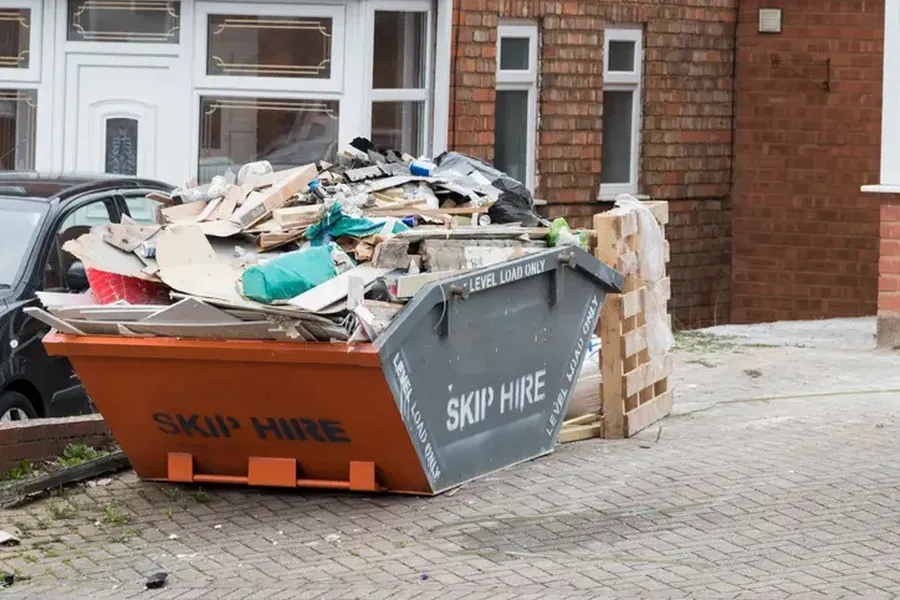
Without regular cleanup, a construction site can quickly become hazardous. Piles of debris can cause trips and falls, leading to injuries. Furthermore, dust from certain materials can affect air quality, which poses additional health risks to workers on site. Having a routine for cleaning and removing debris is essential for keeping the work environment safe and efficient.
Benefits of Effective Waste Management
Effective waste management offers several benefits. Firstly, it enhances safety by reducing the risk of accidents. Secondly, it boosts productivity because workers spend less time navigating obstacles. Thirdly, it improves the project’s public image since clients and visitors see a well-organized site. Finally, it ensures compliance with environmental regulations by proper disposal of construction debris removal methods.
Key Strategies to Maintain Site Cleanliness
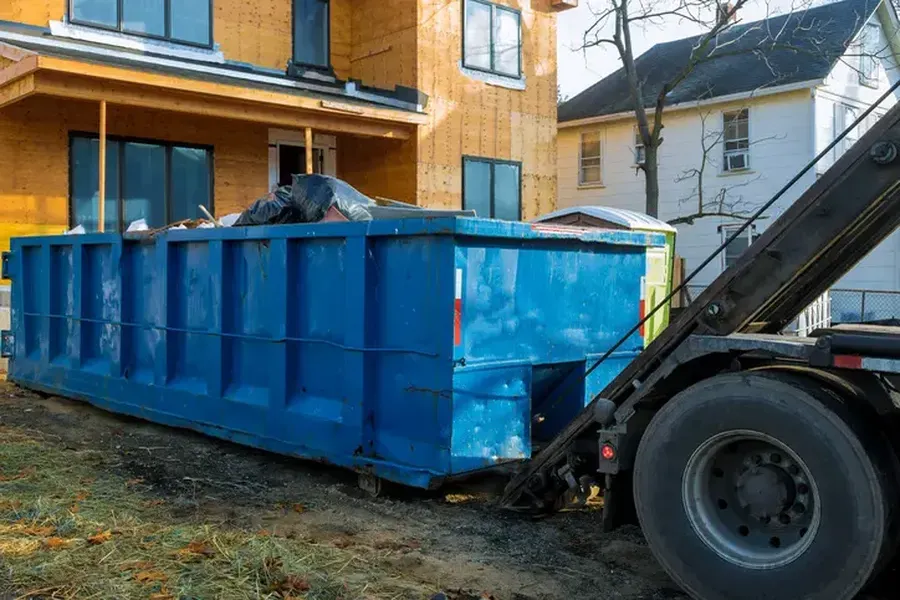
Implementing key strategies helps maintain site cleanliness efficiently. One approach involves regular inspections to identify areas that need attention. Another strategy is using designated bins for different types of waste, such as recyclables and non-recyclables. Additionally, scheduling frequent pickups of removed debris prevents accumulation. These practices contribute to a cleaner and more manageable worksite.
Understanding the Role of Professional Services
Professional services play a vital role in maintaining site cleanliness through construction debris removal. These services bring expertise and equipment necessary for handling large volumes of waste efficiently. They ensure that all debris is disposed of properly according to local laws and regulations. This not only helps in keeping the site tidy but also saves time for project managers who can focus on other tasks.
Best Practices for Debris Management
Adopting best practices ensures effective debris management on construction sites:
- Create a waste management plan at the start of the project
- Train workers on proper disposal techniques
- Use signage to indicate waste disposal areas clearly
- Schedule regular waste audits to track progress
- Partner with reliable waste removal companies
Implementing these practices will help in achieving sustained cleanliness on-site.
The Environmental Impact of Proper Waste Disposal
Proper waste disposal has a significant environmental impact. By sorting and recycling materials, you reduce the landfill burden and conserve natural resources. Choosing environmentally friendly disposal methods minimizes pollution and promotes sustainability in construction practices. It reflects positively on the company’s commitment to eco-friendly operations.
Making Informed Decisions About Waste Management Costs
Managing costs effectively while ensuring quality waste management is crucial. Consider factors like the volume of waste generated and the frequency of removal when planning your budget. Investing in professional services might seem costly upfront but often proves economical in the long run due to their efficiency and compliance with regulations.
Your Partner in Efficient Site Management
Efficient site management requires comprehensive planning and execution of waste management strategies. Our team at Acevedo Palm Springs Hauling specializes in providing tailored solutions for construction projects across Palm Springs, CA. Contact us at (760) 299-4237 to learn how we can assist in ensuring your site’s cleanliness and success.