

Essential Steps to Ensure Safe and Efficient Handling of Hazardous Waste
Preparing hazardous waste for pickup is a crucial step in ensuring the safety of both people and the environment. It requires adherence to specific guidelines and procedures to mitigate any potential risks. This process not only helps in complying with regulations but also ensures that the waste is handled appropriately from start to finish. Whether you are dealing with industrial waste or household hazardous materials, understanding these steps can make a significant difference.
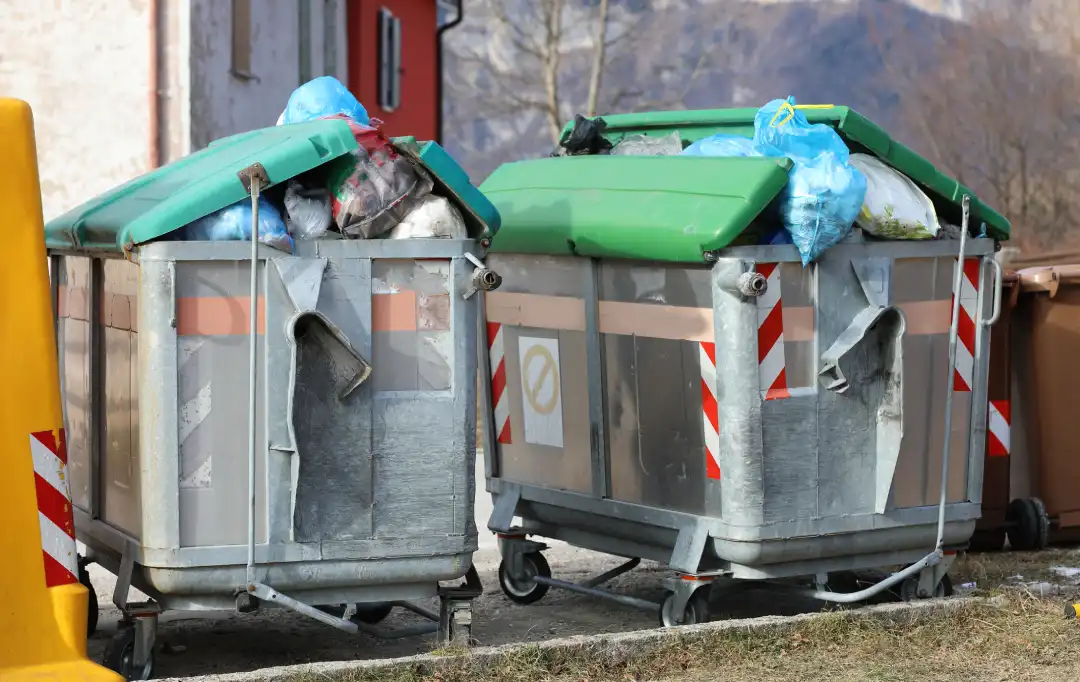
Identifying Hazardous Waste Types
The first step in preparing hazardous waste for pickup is identifying what qualifies as hazardous. Common types include chemicals, batteries, medical waste, and electronic devices. Each type requires specific handling and disposal methods. Understanding the categories your waste falls into will help you follow the correct procedures.
Sorting and Labeling Your Waste
Once identified, it’s essential to sort and label the waste accurately. Different materials should be kept separate to prevent reactions between incompatible substances. Clear labeling ensures handlers know exactly what they’re dealing with, reducing confusion and risk during transportation and disposal processes.
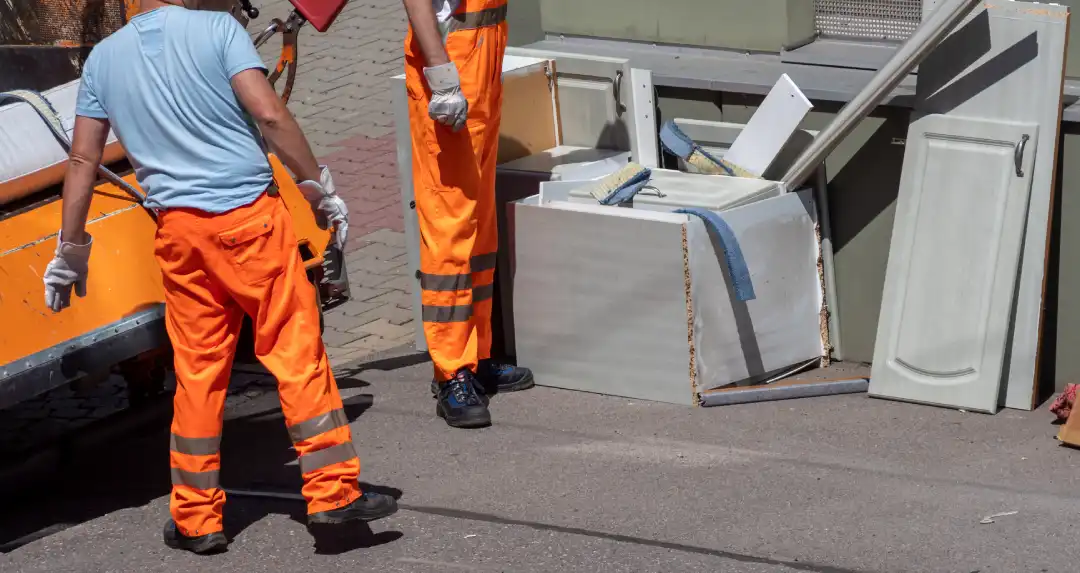
Proper Storage Techniques
Storage is another critical factor when preparing hazardous waste for pickup. Using appropriate containers designed for specific types of waste is important. These containers should be sealed tightly to prevent leaks or spills. Furthermore, it’s vital to store these containers in a secure location until they are picked up by professionals. Green waste disposal services often provide guidelines on how to store different types of waste safely.
Scheduling Regular Pickups
Establishing a regular schedule for waste pickup ensures that hazardous materials don’t accumulate excessively. It also helps maintain a safe environment by preventing prolonged exposure to harmful substances. Companies specializing in green waste disposal can assist in setting up a reliable schedule tailored to your needs.
Compliance With Regulations
Adhering to federal, state, and local regulations is mandatory when dealing with hazardous waste. Compliance not only protects your business from legal issues but also safeguards public health. Make sure you’re familiar with the relevant laws and keep updated on any changes to ensure ongoing compliance.
Documenting Your Process
Keeping detailed records of your hazardous waste management process is an excellent practice. Documentation can include the types of waste generated, quantities, storage methods, and pickup schedules. This information is invaluable during audits and inspections, providing proof of your compliance and commitment to responsible waste management.
Ensuring Safety During Disposal
Safety measures should continue even during the pickup and disposal stages. Ensure that employees involved in waste handling are properly trained and equipped with the necessary protective gear. A clear understanding of emergency procedures can prevent accidents or injuries, making the entire process safer for everyone involved.
Taking Action on Proper Waste Management Practices
For those looking to enhance their waste management practices, focusing on efficiency and compliance is key. Partnering with experienced providers like Acevedo Palm Springs Hauling can streamline the process. Our team at Palm Springs, CA is committed to helping clients manage their hazardous waste responsibly. Reach out to us at (760) 299-4237 for expert guidance tailored to your needs.